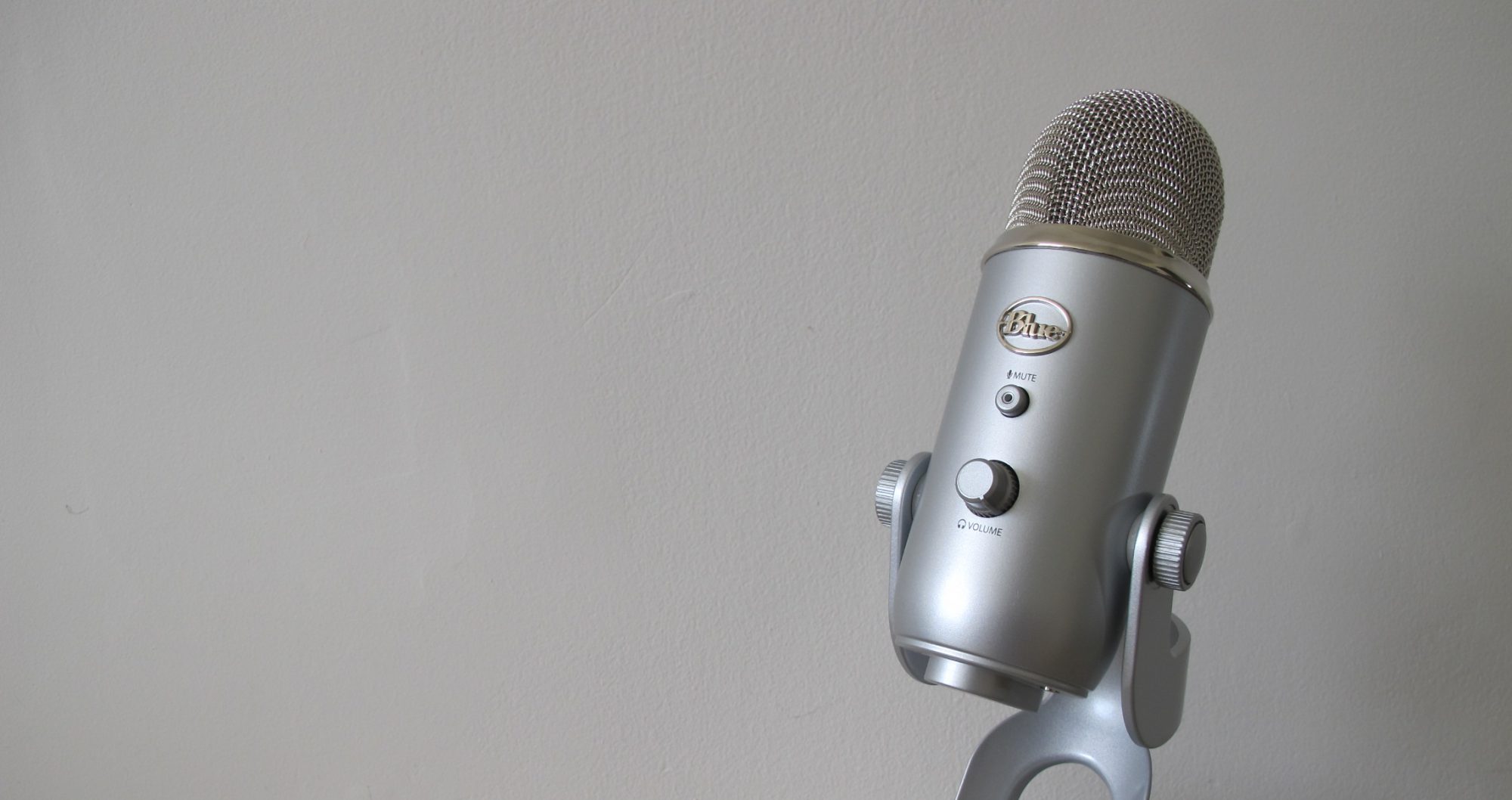

An interview with Yusuke Isotani, a researcher of French photography history in the U.S., exploring his lifelong passion for languages, his tried-and-true methods for learning English, French, and other languages, and his insights on the value of grammar study.
 礒谷 有亮 Yusuke Isotani
Ph.D. candidate in Art History at the City University of New York, specializing in the history of photography. He is currently writing his doctoral dissertation on the evolution of photography in France between the two World Wars.
Originally from Osaka, Japan. During his master’s program at Osaka University’s Graduate School of Letters, he spent a year as an exchange student in Strasbourg, France. He then moved to the U.S. for his doctoral studies, where he has also taught as a lecturer at various CUNY campuses while pursuing his research.
Because his field focuses on France, he frequently travels between the U.S., Europe, and Japan. From a young age, he has been fascinated by language in general—exploring dialects and standard forms, comparing different languages, examining spoken versus written language, and studying wordplay, onomatopoeia, and etymology from around the world has now become a full-fledged hobby.
Yusuke Isotani, a Ph.D. candidate in Art History at the City University of New York, specializes in the history of photography, particularly in France between the two World Wars. Originally from Osaka, Japan, Yusuke’s fascination with languages began in childhood. Growing up speaking Osaka dialect, he became sensitive to linguistic differences between his native dialect and standard Japanese. His early curiosity extended to sounds, intonation, and even foreign words or “magic words” he encountered, as well as long, unusual names, such as those of dinosaurs.
Yusuke’s first exposure to English came during elementary school trips abroad, notably to Guam in second grade, which revealed to him that people spoke different languages. His father’s fluency in English further sparked his interest. Formal English study began in middle school, where he attended a private school emphasizing English. He particularly enjoyed pronunciation-focused classes, often practicing repeatedly with tape recordings to mimic native speakers’ articulation, developing a keen sensitivity to sounds and mouth movements.
In high school, Yusuke faced a steep challenge when placed in a top-level English class with fluent, native-like peers. Feeling initially overwhelmed, he proactively sought extra speaking practice with his teacher during lunch breaks. Despite struggling at first, he gradually adapted and continued to refine his English skills. His real progress came in university, where he combined listening to NHK radio CDs with shadowing exercises, consciously improving both pronunciation and usage. His older sister’s fluency in English also served as a motivational factor.
Yusuke’s approach emphasizes grammar as a foundation, combined with careful attention to pronunciation and repetition. He enjoys the “puzzle-like” aspect of grammar, seeing it as a way to predict and structure language use. For him, grammar provides confidence when speaking and functions as a stable foundation for effective communication. This principle guided him across multiple languages, including German and French.
Initially uninterested in French, Yusuke switched to it during university when his focus shifted from archaeology to art history, specifically French topics. He applied the same structured learning methods he had used for English and German: studying grammar rigorously and practicing pronunciation intensively. His year-long exchange in France allowed him to develop practical conversational skills in a survival-like immersive environment, though he admits his proficiency at the end of that year was still developing.
Yusuke’s path led him to the U.S. for graduate studies, an uncommon choice for someone specializing in European art history. This opportunity arose from serendipitous academic connections during his time in France, ultimately bringing him to New York. At his U.S. institution, he encountered a linguistically rich environment, where peers were proficient in multiple European languages, reinforcing the expectation that scholars of Western art history engage with several languages.
Today, Yusuke navigates three primary languages differently: Japanese comes effortlessly but with his own Osaka-inflected intonation; English serves primarily as a writing language, supporting academic output; and French is largely a reading language, used to access primary research materials. Speaking each language involves distinct cognitive strategies: English requires careful, structured thought, while French is more intuitive and situational, reflecting differences in proficiency and the methods through which he learned them.
Arriving in the U.S., Yusuke faced challenges similar to his first experiences abroad. To regain confidence, he reverted to his trusted methods: reviewing grammar, reinforcing vocabulary, and extensive shadowing practice. This repetition provided a psychological sense of security, enabling him to expand his functional language abilities.
Yusuke emphasizes that effective language learning comes from discovering and using what is already within oneself. Rather than chasing universal shortcuts, learners should experiment with different methods, keep what works, and discard what doesn’t, gradually building a personalized approach that fosters confidence and a strong core of skills. Motivation plays a central role—learning “because you have to” rarely works, whereas personal interest, curiosity, or meaningful challenges sustain progress. Yusuke also points out that it’s okay to stop or postpone learning a language if it isn’t necessary or motivating; what matters is aligning effort with genuine purpose. Ultimately, language learning should serve broader goals, and real growth happens when necessity and motivation intersect, leaving no alternative but to engage fully with the task at hand.

